%20cropped%201024px.jpeg)
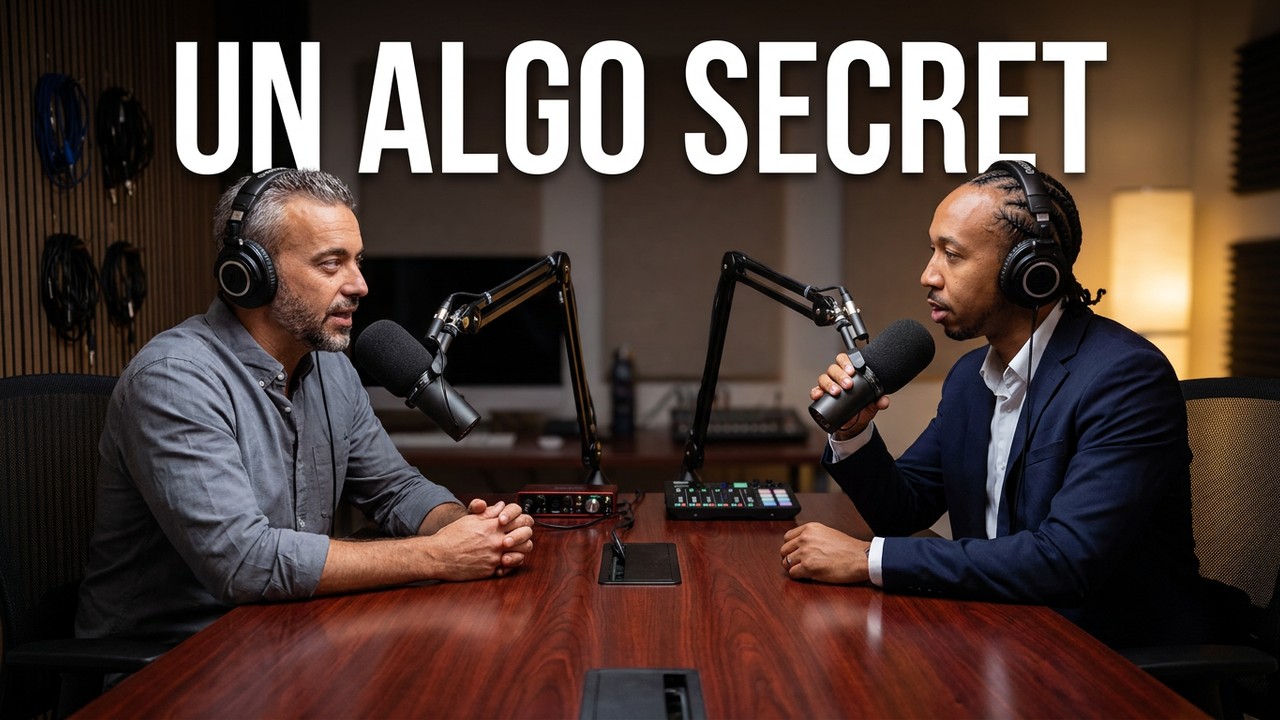
I’m sharing here a podcast interview with Thomas from the Triumph and Trials Podcast.
In this conversation, we dive deep into my journey, from selling software in high school to building OneTake AI, including the wins, the painful failures, and the lessons that shaped everything I do today.
Below the video, I’m sharing a detailed article that breaks down the key lessons and real stories behind the journey.
What you will learn today
- How I spotted my first business opportunity in high school
- Why people management can make or break your business
- The real mistakes that turned a million-dollar startup into a failure
- How content marketing became my #1 growth strategy
- Why hiring more people can actually slow you down
- The importance of communication during crisis moments
- How mentorship and the right team accelerate success
- Why retention matters just as much as acquisition
- How to think about competition the right way
Below is a deep dive into the lessons, strategies, and failures I shared during the conversation.
Introduction
A brief overview of my journey as an entrepreneur
I’ve been an entrepreneur since high school. I didn’t start with a grand vision or a big startup idea. I started with something simple, practical, and honestly a bit scrappy.
Over the years, I’ve built multiple businesses across different industries, coached hundreds of thousands of entrepreneurs, and now I’m the CEO and co-founder of OneTake AI.
What I’ve learned is that business is like climbing a staircase. Every step you take—every success, every failure—becomes something you stand on to reach the next level.
The importance of learning from both successes and failures
If there’s one thing I want you to understand, it’s this: success alone won’t teach you enough.
My biggest breakthroughs didn’t come from things going right. They came from things going very wrong.
Every failure I’ve had became a lesson that directly contributed to what’s working today.
My Beginnings in Entrepreneurship
How I started selling programmable calculators in high school
Back in high school, programmable calculators had just become a thing.
So I built a program that didn’t just give answers—it showed students exactly what to write, step by step, during a math exam.
It was like a cheat code for exams.
I sold it for $10, borrowed $100 from my dad to buy a cable to transfer it, and paid him back within a week because almost everyone in school bought it.
That was my first business.
Key Takeaway: Identifying market opportunities early
I didn’t call it “market research” at the time, but that’s exactly what it was.
I saw a problem. I built a solution. People paid for it.
That’s the foundation of every business I’ve built since.
The Salsa Business: Lessons in People Management
Transitioning from IT to salsa dancing and entrepreneurship
At one point, I transitioned from tech into something completely different—salsa dancing.
It might sound unrelated, but it taught me one of the most important business lessons of my life.
Building a community of 150 students
I built a salsa school with around 150 students.
And what made it work wasn’t just teaching dance—it was building relationships, creating a community, and making people feel connected.
Key Takeaway: Importance of customer relationship management
Business isn’t just about products.
It’s about people.
If people feel seen, heard, and valued—they stay. They come back. They bring others.
Launching My First Tech Startup
What led to the creation of OneTake AI
Before OneTake AI, I spent years coaching entrepreneurs.
And I kept seeing the same problem over and over again:
People knew what they wanted to say—but they struggled to create content.
They weren’t polished speakers. They weren’t video editors.
And that gap stopped them from growing.
So I decided to build a tool that removes that barrier.
The initial struggles and breakthroughs
At the time, AI wasn’t mainstream. This was before tools like ChatGPT.
And when I showed the concept to technical teams, they told me:
“This is probably not possible.”
So I built it anyway.
Key Lesson: Embrace content marketing for visibility
Content marketing is the engine behind growth.
It’s how we got our first customers. It’s how we continue to grow today.
If you can clearly communicate your message. You win.
Learning from Failures
Key mistakes made during the early years
Ten years before OneTake AI, I launched a startup that made $1 million in its first year.
And we still failed.
Why?
- Split focus across multiple projects
- Part-time teams instead of fully committed people
- Hiring too many low-skill developers instead of one high-level expert
- Being undercapitalized and afraid to raise money
Embracing Failure: How every setback became a learning experience
One of the hardest moments was when our bank froze €500,000 of our funds.
We couldn’t pay customers. We couldn’t communicate properly.
And that silence destroyed trust.
We eventually won the legal battle but the damage was done.
That experience taught me something I’ll never forget:
Silence during a crisis is worse than the problem itself.
The Role of Mentorship
Seeking mentors to fill knowledge gaps
I didn’t always know what I was doing—and that’s okay.
What matters is finding people who do.
Mentors helped me understand things I had zero experience in, like fundraising, scaling, and leadership.
How they influenced my business decisions
Sometimes one conversation can save you years of mistakes.
Mentorship gave me clarity and clarity leads to better decisions.
Key Takeaway: Surround yourself with the right people
Your environment shapes your outcomes.
Choose people who challenge you, support you, and push you forward.
Scaling the Business
Strategies used to grow OneTake AI
When I started OneTake AI, I made very deliberate decisions:
- No part-time teams
- Hire top talent
- Focus on communication
- Build a strong relationship with customers
I also invested my own money first to de-risk the business before raising funds.
Importance of focusing on the right audience
Not everyone is your customer.
The faster you identify who truly benefits from your product, the faster you grow.
Key Lesson: Retention is just as important as acquisition
Most people think content is only for attracting new customers.
That’s wrong.
Content is also how you keep your customers.
That’s why we constantly provide:
- Live trainings
- Coaching sessions
- New content
- Continuous value
Retention is what drives long-term profitability.
Reflections on Competition
Encountering new competitors and adapting
When I started, searching “AI video editor” gave zero results.
Today, there are dozens of pages of competitors.
The mindset necessary to thrive in a competitive market
In my earlier startup, a competitor appeared—and we gave up mentally.
That’s what killed us.
It wasn’t the product. It wasn’t the market.
It was the mindset.
Key Takeaway: Embrace competition as a means to improve
Competition is not the enemy.
It’s feedback.
It forces you to get better, faster.
Conclusion
Summarizing the major lessons learned
If I had to summarize everything:
- Start simple, but start
- Focus beats multitasking
- Hire quality over quantity
- Communicate—especially when things go wrong
- Content marketing is everything
- Retention drives real growth
- Mindset determines outcomes
Encouraging other entrepreneurs to persevere and learn from their journeys
You don’t need a perfect plan.
You need to take action, learn, and adapt.
Every failure is part of the process.
A call to action: Share your experiences and learnings!
What lessons have you learned in your journey?
And if you’re ready to create content that actually grows your business: