%20cropped%201024px.jpeg)
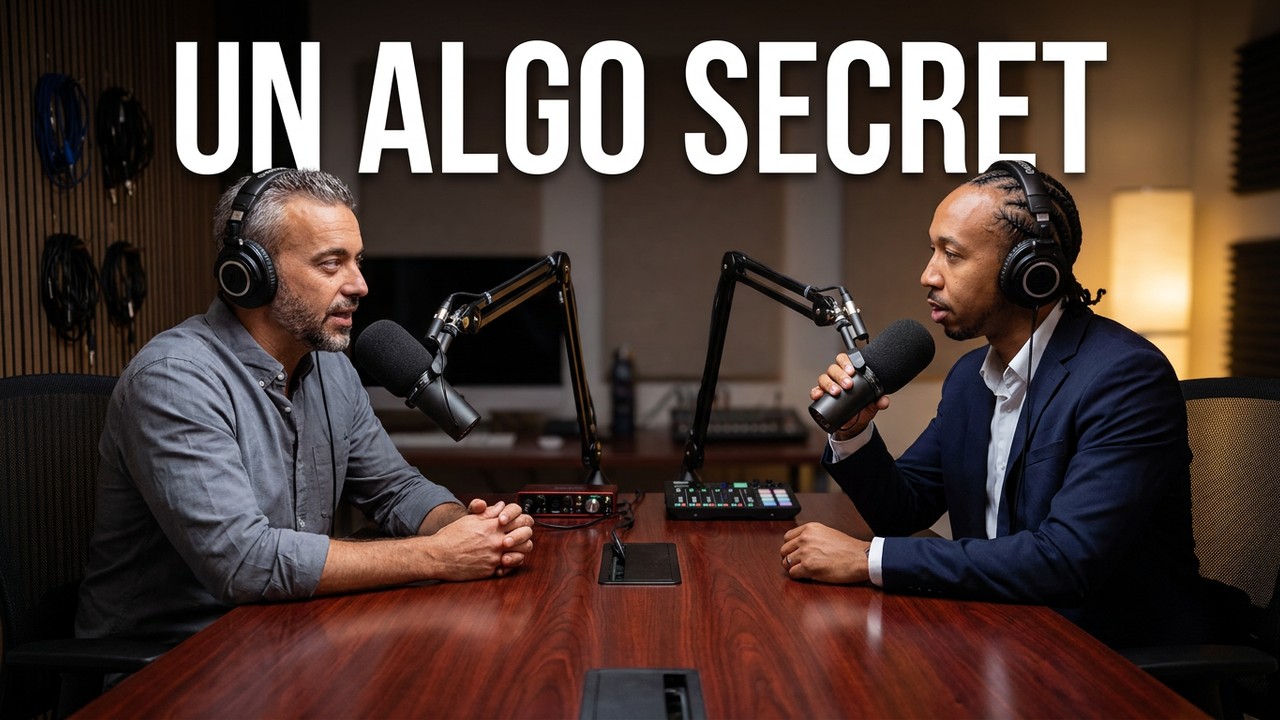
I’m sharing here a podcast interview with Kashif, from OpenTechTalks. In this conversation, we go deep into my journey building OneTake AI, how the idea started, what we learned from 300,000+ entrepreneurs I worked with before, and the real challenges of building and selling an AI product in a fast-changing landscape.
We also talk about hiring, validation, failures, pricing strategy, content marketing, and how AI is reshaping the way creators and businesses produce video content today.
Below the video, I am providing an article that recaps the main lessons from this interview.
What you will learn today
- How I identified a real unsolved problem in content creation and turned it into OneTake AI
- Why hiring the right people can make or break your vision
- How I validated the idea before building the product
- Why most AI products fail when they copy generalist tools like ChatGPT
- How I use AI across audio, semantic, and computer vision layers
- The real mistakes I made in marketing and launching the product
- Why “showing the demo” beats any explanation in SaaS sales
- How pricing strategy impacts early-stage survival and retention
- Why content marketing and audience feedback shape product direction
- Lessons on building and scaling multiple ventures at the same time
Lessons from the Trenches
My Entrepreneurial Spirit
I started my journey as an entrepreneur very early. I graduated as an engineer from École Centrale, but almost immediately after that, I went into building businesses.
From 2010 to 2022, I ran what became the Free Entrepreneurs Movement. Over those years, we coached more than 300,000 entrepreneurs across 41 countries, helping them start and grow their businesses in very different industries.
What I noticed over time is that most of the technical barriers that used to block people were disappearing. If you wanted to sell online courses, build a website, or accept payments, everything became easier. Stripe didn’t even exist when we started, and later it became effortless to set up an online business.
But one problem remained unsolved:
how do people actually turn their expertise into high-quality content consistently?
That question stayed with me for years.
And eventually, that’s where OneTake AI started.
I had this vision in 2021: what if you could just record yourself—raw, unfiltered—and the AI would turn it into a professional video?
Remove stutters. Clean audio. Add music. Add titles. Add structure.
Basically do what a professional video editor would do… automatically.
That was the starting point.
Key Lessons Learned
Hiring the Right People
One of the biggest lessons I learned early is that hiring is not about filling roles—it’s about alignment with vision.
I am an engineer by training, so I understand systems, architecture, and product design. But I knew from the beginning I couldn’t build everything myself.
If I tried to build everything alone, it would take me “150 years” in practice.
So I focused on design and direction, and brought in the right people to execute.
Finding my co-founder Vladimir was not simple. I went through thousands of profiles, had tens of conversations, and interviewed engineers from companies like Amazon, Apple, and Microsoft.
But the real decision came down to two things:
- Technical strength
- Cultural alignment
He had worked at VEED.io, one of the leaders in video editing software, and more importantly, we just clicked on how we think.
That combination mattered more than anything else.
And I’ve learned this clearly:
a wrong hire slows you down, but the right partner accelerates everything.
Managing Multiple Ventures
Balancing Act
Running multiple ventures at once forces you to think differently.
Before OneTake AI, I had already spent years building and experimenting in different business models, especially in education, coaching, and digital products.
What helped me was constant experimentation.
You don’t really “manage” multiple businesses—you build systems, test ideas, and let feedback guide where to focus energy.
One important example was my music website project. It grew not because of a perfect plan, but because of continuous iteration and listening to what users wanted.
That mindset carried into OneTake AI.
Embracing Failures
From Setbacks to Insights
Failure is not something separate from success—it is part of the process.
One of the hardest moments I had was during the first launch of OneTake AI.
We ran a webinar.
People loved it.
They said it was the best webinar I had ever done.
And then… when it came time to sell?
Zero sales.
That was a shock.
Because in all my previous businesses—coaching, courses, events—this same formula always worked.
But software is different.
That moment forced me to rethink everything.
I realized something important:
People don’t want explanation.
They want to see the transformation.
So I changed everything.
Now my best-performing system is simple:
- Short intro
- Live demo
- Before and after transformation
- Then Q&A until people either leave or buy
And this changed everything. Today, roughly 1 out of 6 people on the call convert into customers.
That failure became one of the most important turning points in the business.
The Importance of Content Marketing
Creating Value through Content
Content has always been at the core of how I build businesses.
Before OneTake AI, I spent years doing webinars, teaching, and creating structured content systems.
But what changed with OneTake AI is how content itself is created.
The entire product is built around one idea:
turn raw content into publish-ready video content automatically.
We serve creators, solopreneurs, and small businesses who need to produce:
- YouTube content
- Instagram and TikTok short-form videos
- Marketing videos for websites and ads
The reality is simple:
if you are not producing content today, your business is invisible.
That’s why content marketing is not optional anymore.
It is the foundation.
Recognizing Pent-up Demand
Listening to My Audience
One of the most important insights came from a survey we ran very early on.
We had 450 business owners respond over a single weekend.
We asked them everything:
- what tools they use
- how often they create videos
- what their biggest frustrations are
And the answer that stood out was almost universal:
“It would be perfect if I never had to edit a video ever again.”
That line changed everything.
Because it made one thing extremely clear:
People didn’t want better editing tools.
They wanted the editing to disappear completely.
That was the moment OneTake AI changed direction—from a video editing tool to an AI system that does the work for you.
Collaborative Learning and Mentoring
Strength in Community
A lot of what I built came from conversations, mentorship, and observing other founders.
One important influence was reading and learning from other entrepreneurs building SaaS companies, especially those who understood distribution and product design deeply.
I also learned a key lesson from Guillaume, founder of Lemlist:
- Think international from day one
- Structure your product so it can scale across languages easily
Because of that decision, we were able to launch in multiple languages very quickly—Japanese, Spanish, Portuguese, Italian—sometimes within a single afternoon.
That would not have been possible if we had built things differently.
Community and learning from others saved us months, sometimes years, of mistakes.
Conclusion
Lessons for Aspiring Entrepreneurs
If I had to summarize everything I learned from building OneTake AI and everything that led up to it, it would be this:
- Start from real pain, not ideas
- Validate before building
- Don’t overthink tools—focus on user friction
- Show results, don’t explain them
- Hire for alignment, not just skill
- Build for where AI is going, not where it is today
- And most importantly, keep adapting
The biggest shift for me was realizing that success in software is not about perfect planning—it is about continuously responding to what users actually struggle with.
Every feature we built, every failure we had, and every pivot we made came from listening closely to real users.
If you are building something today, especially in AI or content creation, my advice is simple:
find where users are stuck, and remove that friction completely.